Home Work Hub

Finnegan Flynn
| 08-04-2026
 · Lifestyle Team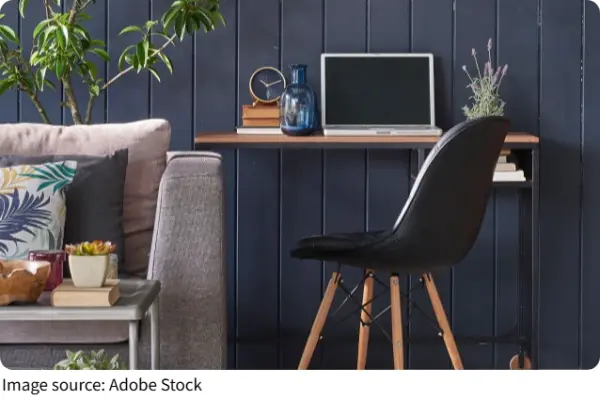
We all know how challenging it can be to balance work, study, and relaxation in the same room. Sometimes, our living spaces just don’t seem ready for a productive home studio.
Today, we’re going to explore practical and detailed ways to transform any living area into a functional, comfortable workspace—whether you live in a small apartment or a spacious home.
Transforming the Living Room
One popular approach is turning the living room into a hybrid space that keeps its original comfort while adding work or study functionality. For example, we can convert a full wall of cabinets or the TV wall into bookshelves, giving plenty of storage for books. A cozy armchair with a small round table next to the bookshelf can become a perfect reading corner. At the same time, the sofa remains for casual lounging, and a projector can keep entertainment intact. This way, the living room functions both as a workspace and a leisure area without feeling crowded.
Small Apartment Solutions
In smaller homes, traditional bulky sofas often have to go. Replacing them with a single, casual chair allows more flexibility. We can use the existing wall to install a custom bookshelf and create a compact workspace for two people. This dual-purpose layout not only makes the living room functional for work or study but also keeps space open and breathable.
Going Sofa-Free
Some opt to remove the sofa entirely and focus on bookshelves and desks. This approach can work well for solo residents or couples but might feel too rigid for families who want casual relaxation. A small table can still double as a meeting or dining spot, but it’s important to consider how often we really want to give up our comfort zones.
Partial Sofa Retention
For families, a mix works best. Keeping a small sofa or seating area while adding a reading or work desk allows both relaxation and productivity. Hard wooden chairs can’t fully replace a soft sofa, so we recommend preserving a corner for casual sitting. This avoids the feeling of being stuck in an office at home, which can be draining over time.
Bedroom Workspaces
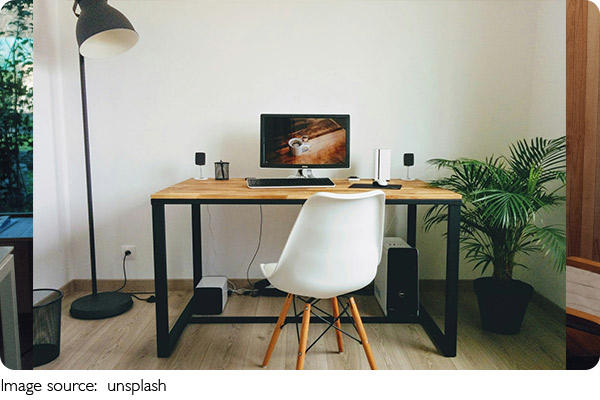
When space is tight, the bedroom often becomes the ideal quiet corner. Even in small bedrooms, we can fit a compact desk or repurpose the vanity area. A window ledge or custom shelf can act as a simple workstation. If needed, part of a wardrobe can be sacrificed for a desk. The key is maximizing privacy and minimizing distractions.
Standalone Study Rooms
If a separate room is available, that’s the best scenario. We can install a suitable desk and bookshelf to create a dedicated office. In some cases, the room can double as a dressing area or walk-in closet, sacrificing only a small wardrobe section. This dual-purpose setup is ideal for homes where space is limited but productivity is important.
Guest Room Adaptation
A guest room can also double as a workspace. By using a tatami-style platform with built-in storage and a desk, we can make the room functional without losing comfort. When not hosting guests, this becomes a quiet office space, second only to a standalone study.
Balcony Workstation
Balconies can be cleverly used for work. A small desk tucked into a bedroom balcony corner provides a private and quiet area, minimizing disturbances. For living room balconies, privacy is lower, but a corner desk or custom-length workspace can still meet home office needs effectively.
Carving a Work Zone in the Living Room
When space is limited, we can create a mini work area in the living room. Custom bar desks or partitioned corners between the dining and living area can function as compact workstations. If the living room is large, a separate zone with bookshelves and a desk works perfectly. In some cases, the dining area can be partially sacrificed for an open, functional home office.
Final Thoughts
In summary, Lykkers, we should adapt our home to our real lifestyle needs. Not every family needs to fully transform the living room into a study. For ordinary homes, a combination of small desks, bookshelves, or partially converted spaces keeps the balance between comfort and productivity. Children can have a learning-friendly environment without turning the entire living space into a classroom. Remember, the living room is still the heart of the home—designed for relaxation and family connection, not just work.
By considering these approaches, we can create a home that is both functional and welcoming, blending productivity with daily comfort seamlessly.
Interior Design – A Double-Duty Dining Room And Office
Video by House & Home