Ultimate Mug Guide

Pankaj Singh
| 22-04-2026
 · Food Team
For the true caffeine aficionado, a coffee cup is much more than a simple vessel; it is a critical anchor for the entire sensory experience.
The molecular interaction between your brew and the surface it touches can act as a transformative blend of flavor enhancement or a chemical barrier that leaves your morning roast tasting flat.
Choosing the right material is a technical mission that provides a thermal shielding for your beverage while ensuring the purity of every sip. To achieve a "badge of prestige" in your home brewing setup, you must move beyond aesthetics and use a steady hand to evaluate heat retention, durability, and porosity. By mastering the science of material selection, you ensure that your vessel acts as a perfect anchor for the complex notes of your beans, protecting the liquid gold from the moment it leaves the carafe.
The Porcelain Anchor
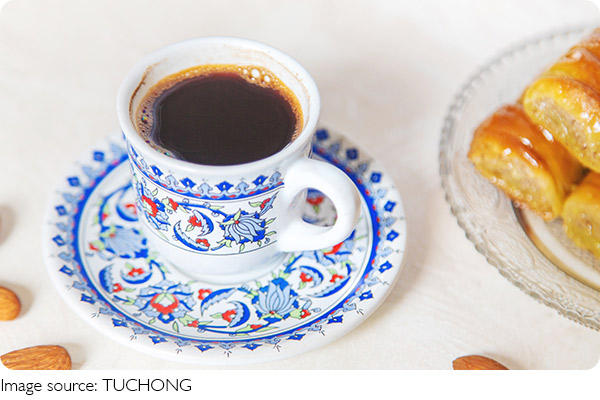
Ceramic and porcelain have long been the industry anchor for a reason. Their neutral chemical makeup ensures that they do not react with the acidity of the coffee.
Benefits of Ceramic Materials:
1. Flavor Neutrality: Porcelain provides a smooth, non-porous shielding that does not absorb odors or flavors from previous brews.
2. Thermal Stability: High-quality stoneware acts as a heavy anchor that retains heat longer than plastic or thin glass.
3. Ergonomic Variety: The weight of a ceramic mug provides a grounding steady hand feeling that many find essential to their morning ritual.
4. Surface Resistance: The glaze acts as a protective barrier, preventing staining and ensuring easy maintenance over years of use.
The Transparency of Glass
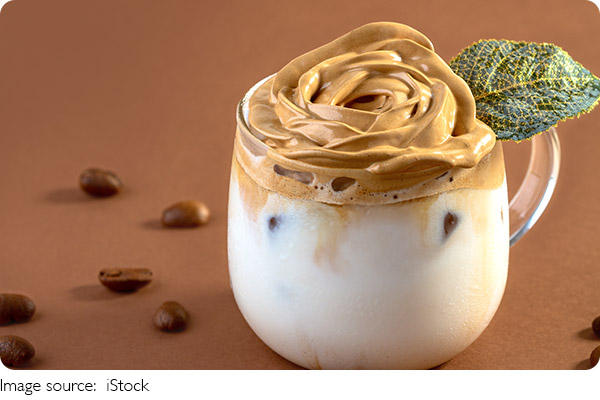
If you appreciate the visual blend of a latte's layers or the rich crema of an espresso, glass is your "badge of prestige." It offers a modern, clinical look that provides a clear anchor for the beverage's appearance.
Borosilicate Strength
Standard glass can fracture under thermal shock, but borosilicate glass acts as a durable shielding. It contains boron trioxide, which provides a low coefficient of thermal expansion, serving as a reliable anchor for boiling liquids.Double-Walled Engineering
Double-walled glass vessels use a vacuum barrier to trap air between two layers. This technical design acts as a superior thermal shielding, keeping the coffee hot while the exterior remains cool to the touch. This eliminates the need for a handle and provides a sleek "badge of prestige" for your countertop.The Metal and Plastic Barrier
When it comes to travel and durability, materials like stainless steel and specialized plastics enter the blend. However, these require a steady hand in selection to avoid metallic aftertastes.
• Stainless Steel: Often used in vacuum flasks, it provides the ultimate shielding against heat loss. Look for "electropolished" interiors, which act as a smooth barrier to prevent the steel from leaching a "tinny" flavor into your coffee.
• BPA-Free Plastics: Lightweight and nearly indestructible, these act as a practical anchor for hikers. However, they can act as a barrier to flavor over time, as plastic is more porous and may retain oils from past brews.
• Silicone: This flexible material provides a heat-resistant shielding for collapsible travel cups. While it is a durable anchor, some sensitive palates find it adds a rubbery note to delicate light-roast coffees.
Technical Heat Retention
The thickness of the material acts as the primary anchor for temperature control. A thick-walled ceramic cup has high thermal mass, meaning it will absorb the heat from your coffee initially. To prevent this from acting as a cooling barrier, professionals recommend pre-heating the cup with hot water. This creates a thermal shielding that keeps the brew at its optimal extraction temperature for a longer duration. Choosing a narrow-rimmed vessel also acts as a physical barrier to evaporation, serving as an anchor for the aroma and heat.
Conclusion of the Perfect Vessel
In summary, the choice of a coffee cup is a masterful blend of physics and personal preference. It is the functional anchor that completes the journey from bean to cup, providing a protective shielding for the delicate oils and acids of your brew. By understanding how different materials act as a barrier or a bridge to flavor, you can select your equipment with a steady hand and absolute confidence. Whether you prefer the classic weight of porcelain or the engineered shielding of double-walled glass, your choice earns you a "badge of prestige" in the world of specialty coffee. Invest in a quality vessel, respect the science of heat, and let your cup be the steady anchor that makes every morning extraordinary.